Make space before unpacking
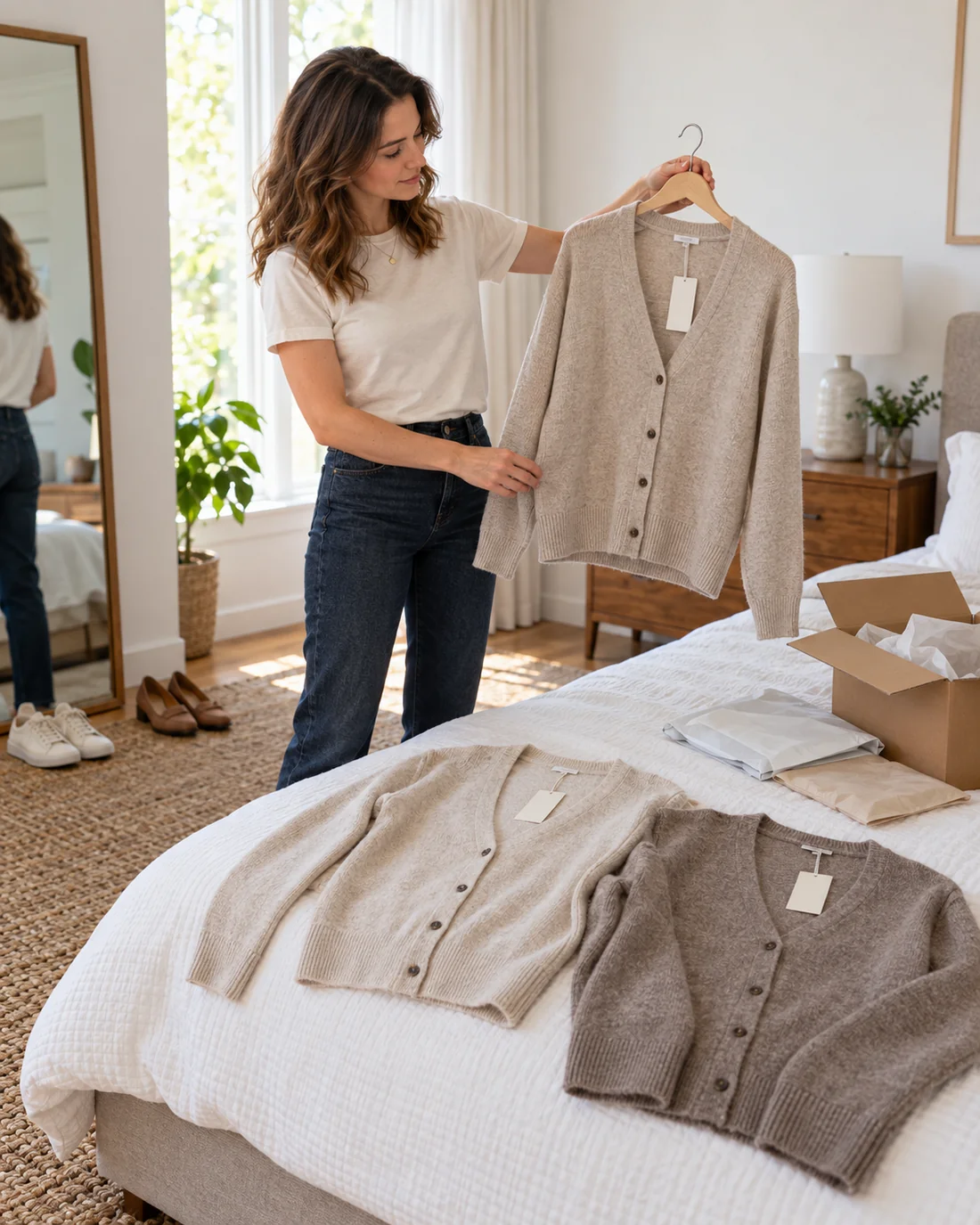
Choose a clean surface and arrange garments so their labels and packaging remain identifiable. Read the retailer's conditions for trying on and returning items before removing or changing anything. Conditions vary; a general assumption does not replace the information for the particular order.
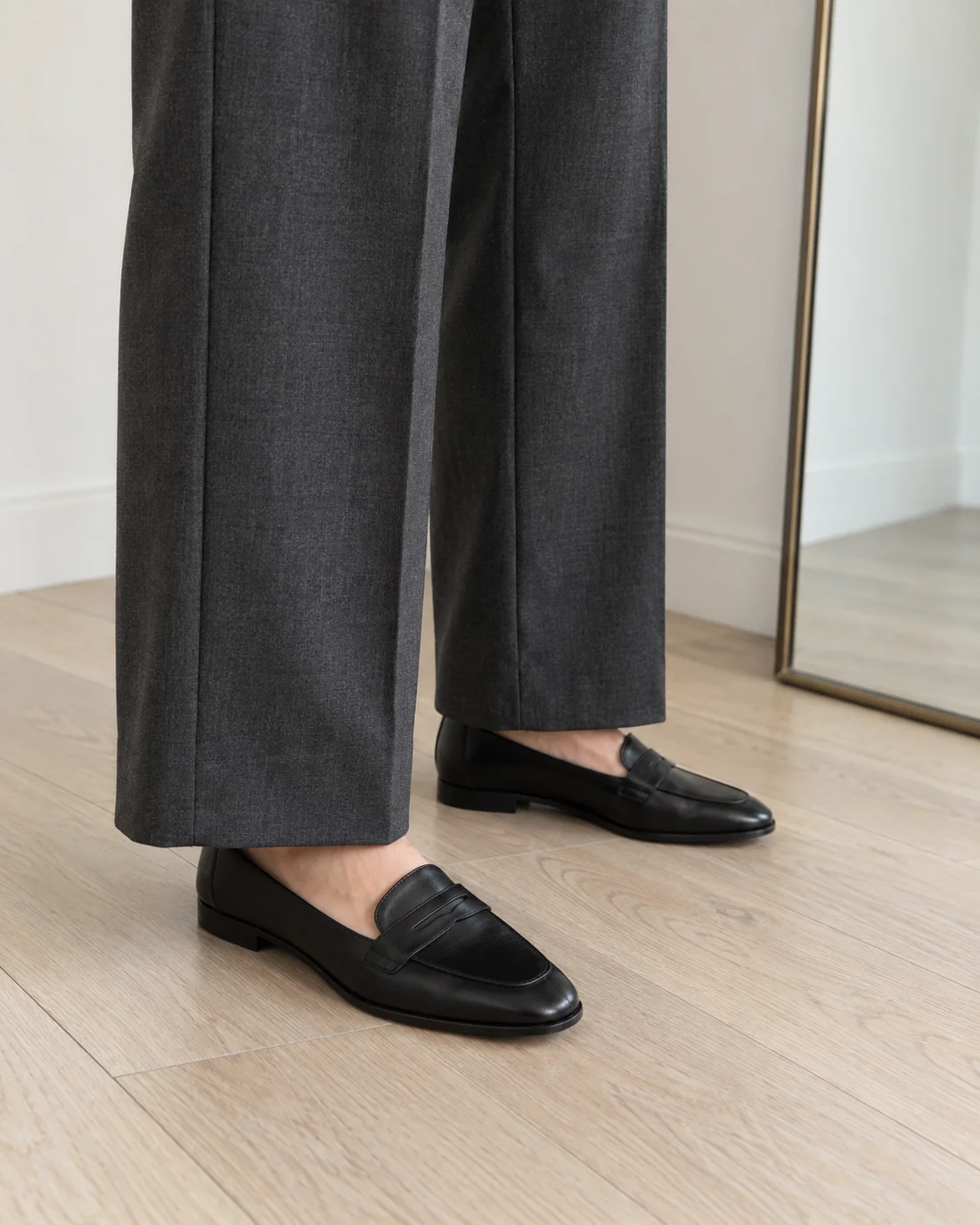
Set out two or three existing pieces you intend to wear with the new clothes. Include the shoes, a suitable bottom or your usual jacket. Trying everything over whichever casual clothes you happen to be wearing can give a misleading impression of length and proportions. You do not need to empty the entire wardrobe, however.
Check each item by itself first
Compare model, size and colour with the order information. Inspect seams, fastenings and any noticeable marks before assessing fit. If an item is damaged or clearly not what was ordered, document that fact and ask the retailer how to proceed. Repairing it is not automatically your first task.
Read the fabric and care information too. A piece can look suitable but require care you do not want to manage. Decide that before removing labels. A garment does not become easier to use because you hope to ignore its care instructions later.
Use a consistent comparison sequence
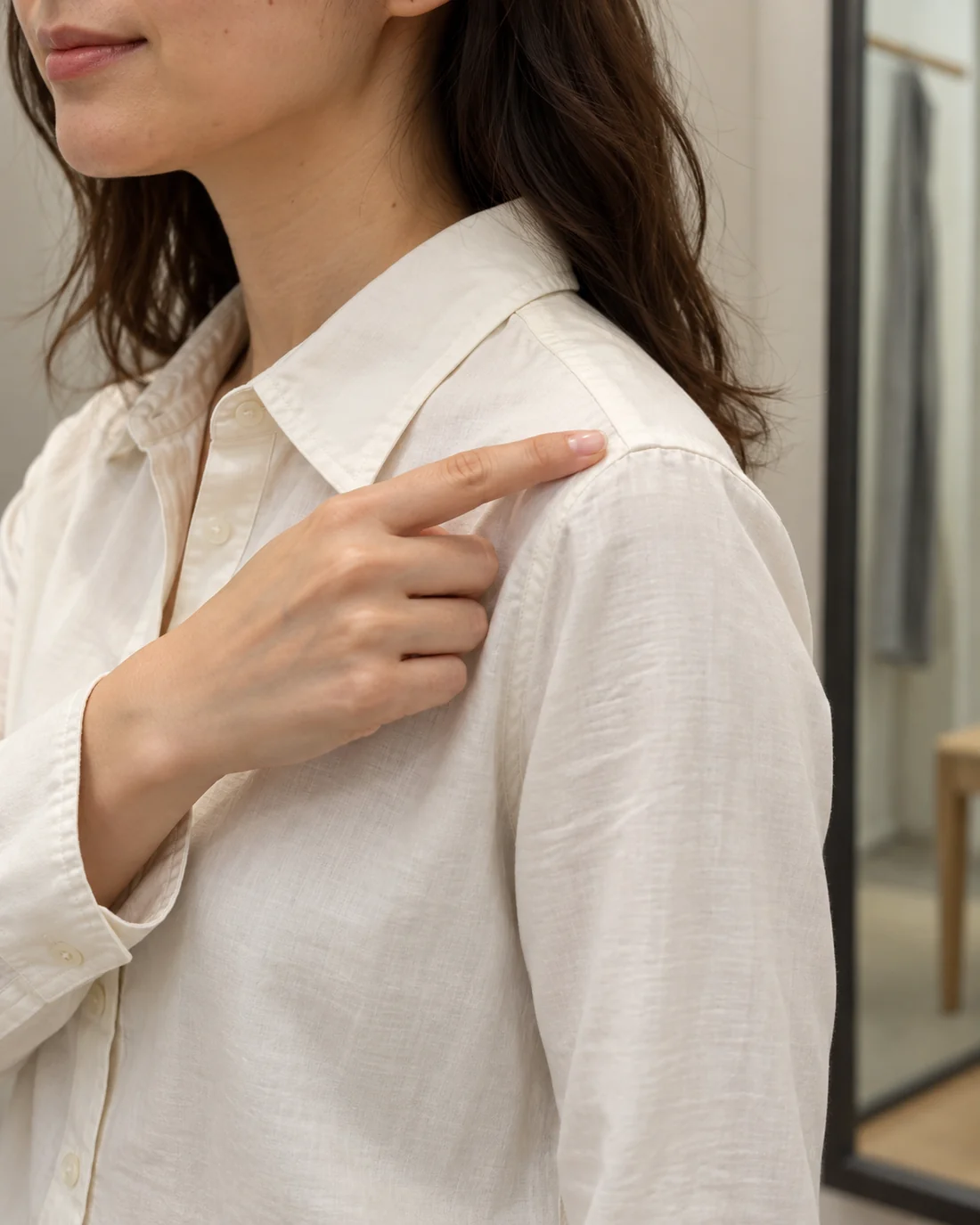
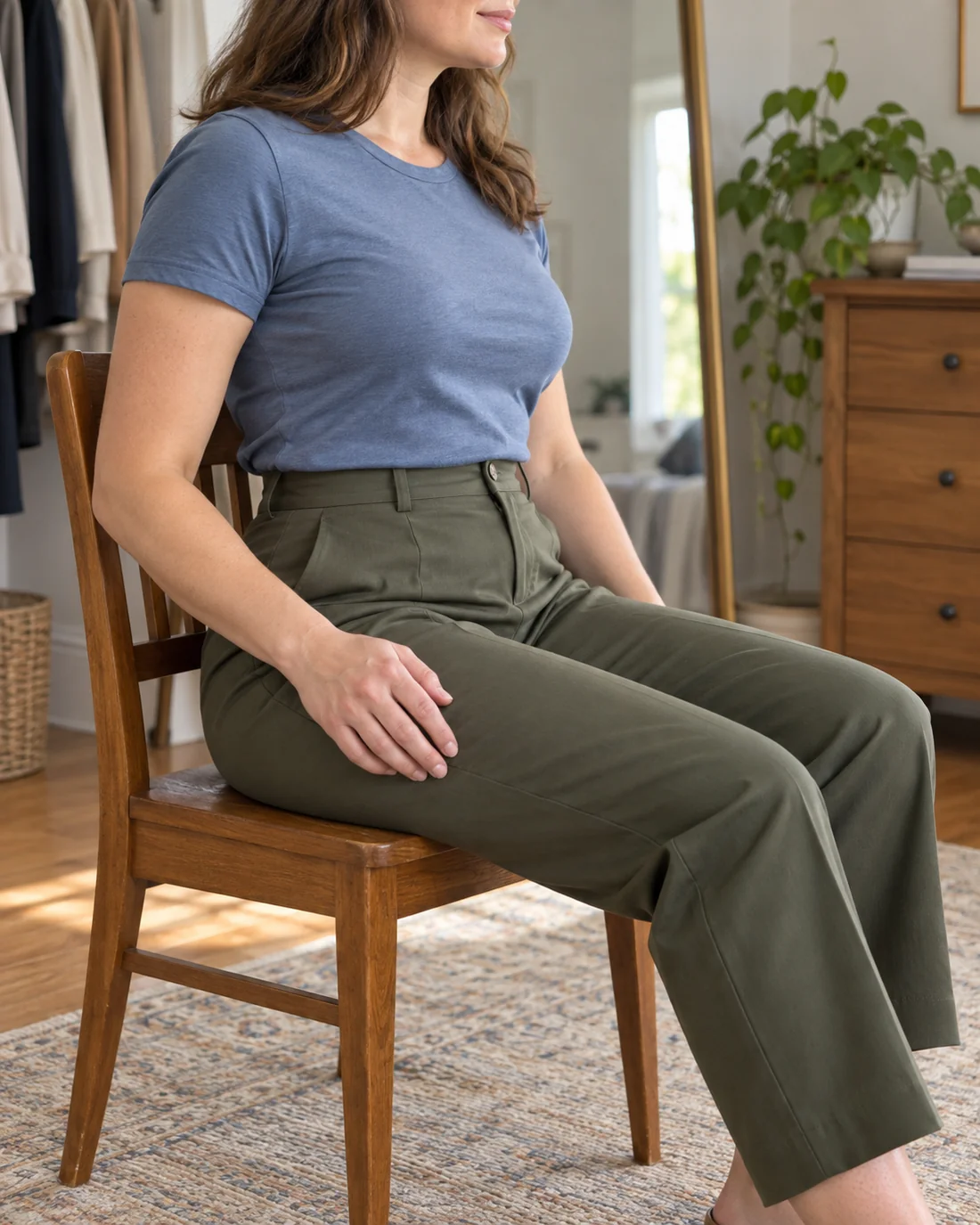
When comparing two sizes, try both with the same outfit first. Assess the basic fit, sit down and make ordinary movements. Change the top or shoes only afterwards. This keeps clear whether size or the outfit combination caused the difference.
Record particular observations rather than only “good” or “bad”: comfortable waistband when seated, sleeves too close over the blouse, hem too long with flat shoes. These notes are easier to compare later. Photographs can help if both versions are shown in similar positions and from similar distances. They do not replace how the clothing feels.
If several similar pieces were ordered, identify each note by model and size. Do not rely on their order on the bed. Several changes later, that arrangement may have shifted unnoticed. A short identifier prevents a successful fit from being credited to the wrong garment.
Connect the pieces to existing outfits
Test at least one combination you would actually wear in the coming days. A theoretically versatile item does not automatically fit your wardrobe. If every use requires several further purchases, record that dependency. The intended outfit may still be worthwhile, but the item is not then an immediately usable addition.
Try pockets, fastenings and layers as they will be used. A coat should fit over the intended clothes, a bag should close with its normal contents and a skirt should remain comfortable when seated. The mirror and a short functional test answer different questions.
Do not use label removal to rush the decision
Keep undecided items separate from those you have chosen, while observing the retailer's actual deadlines and conditions. Remove labels after deciding. Avoid care treatments or alterations while you may still return an item where those actions conflict with the applicable conditions.
For items you keep, note a successful outfit if useful. For unsuitable pieces, a brief factual reason can guide the next purchase. A different cut or fabric may be the next useful question; there is no need to continue indefinitely through more sizes of the same design.
Match everything up at the end
Check that each garment remains with its own components and paperwork. Follow the retailer's specific instructions for a return. The fitting is complete when both your clothing decision and the identity of each item are clear. The order then becomes a useful comparison rather than a pile of similar-looking garments whose results are difficult to remember.