Find the chart for the right product
A shop may use different charts for different brands or product groups. Check that you have opened the information for the selected trousers, shirt or jacket. Regional size labels may also appear side by side. Compare the explained row rather than relying on a number you recognise.
Look for the measuring method. Chest, waist and hip circumference refer to body measurements; a flat waistband width initially describes the garment. Mixing the two creates apparent contradictions. The answer is not immediately to order a larger size, but to clarify what the figures mean.
Take body measurements calmly and consistently
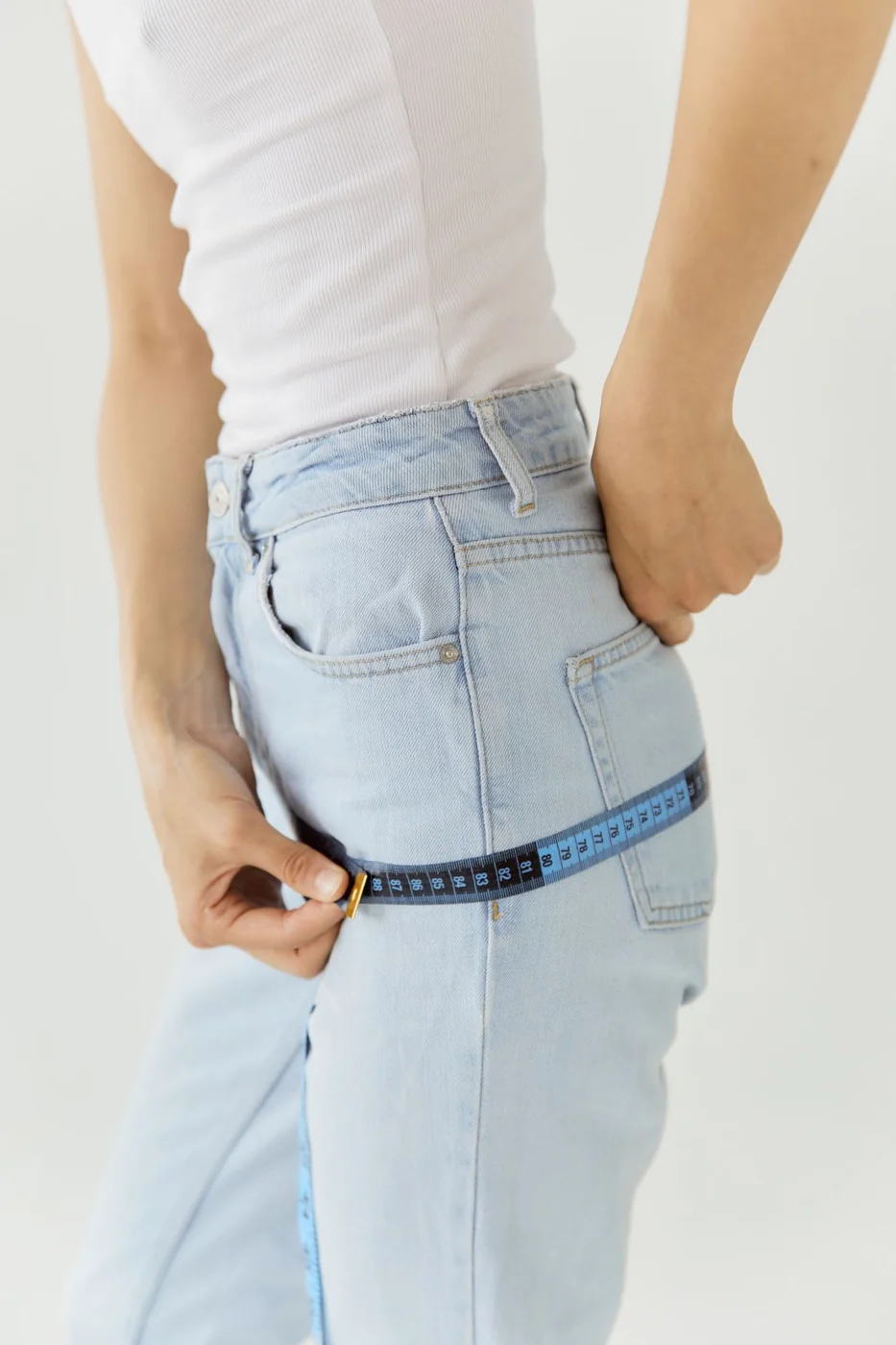
Use a flexible tape and follow the supplier's measuring points. Keep it level without pulling it firmly into the body. Stand normally and continue breathing. Deliberately recording a smaller circumference does not help you choose clothing that feels comfortable.
Repeat an uncertain measurement and record the date and unit. Help with difficult-to-reach points may be useful if you are comfortable with it. You do not need to share personal measurements publicly. A private note is sufficient for comparison with a chart and can be updated later.
When measurements fall into different rows
One measurement may fall into a different chart row from another. That does not necessarily mean you measured incorrectly. Consider which areas the particular garment fits closely. A relaxed blouse and close-fitting trousers place different demands on their measurements.
Include the description of the cut. Terms such as loose, narrow or stretchy provide context but do not replace clear dimensions. If one size provides room at the crucial point while differing considerably elsewhere, another cut may be more suitable. A single size does not have to make every design from the same brand fit you.
An example without a universal buying rule
Suppose the waist measurement corresponds to one row and the hip measurement to the next. For trousers, examine the cut, intended position and any available garment dimensions more closely. The example does not automatically mean “always buy the larger size”. Waistband shape and the distribution of room can differ substantially between two pairs.
Ask the supplier for missing details if they affect the decision. A specific question about waistband width, hip width or measuring points is more useful than a general request for a guaranteed size. One number cannot establish how a particular garment will feel on you during movement.
Finish with the actual fitting
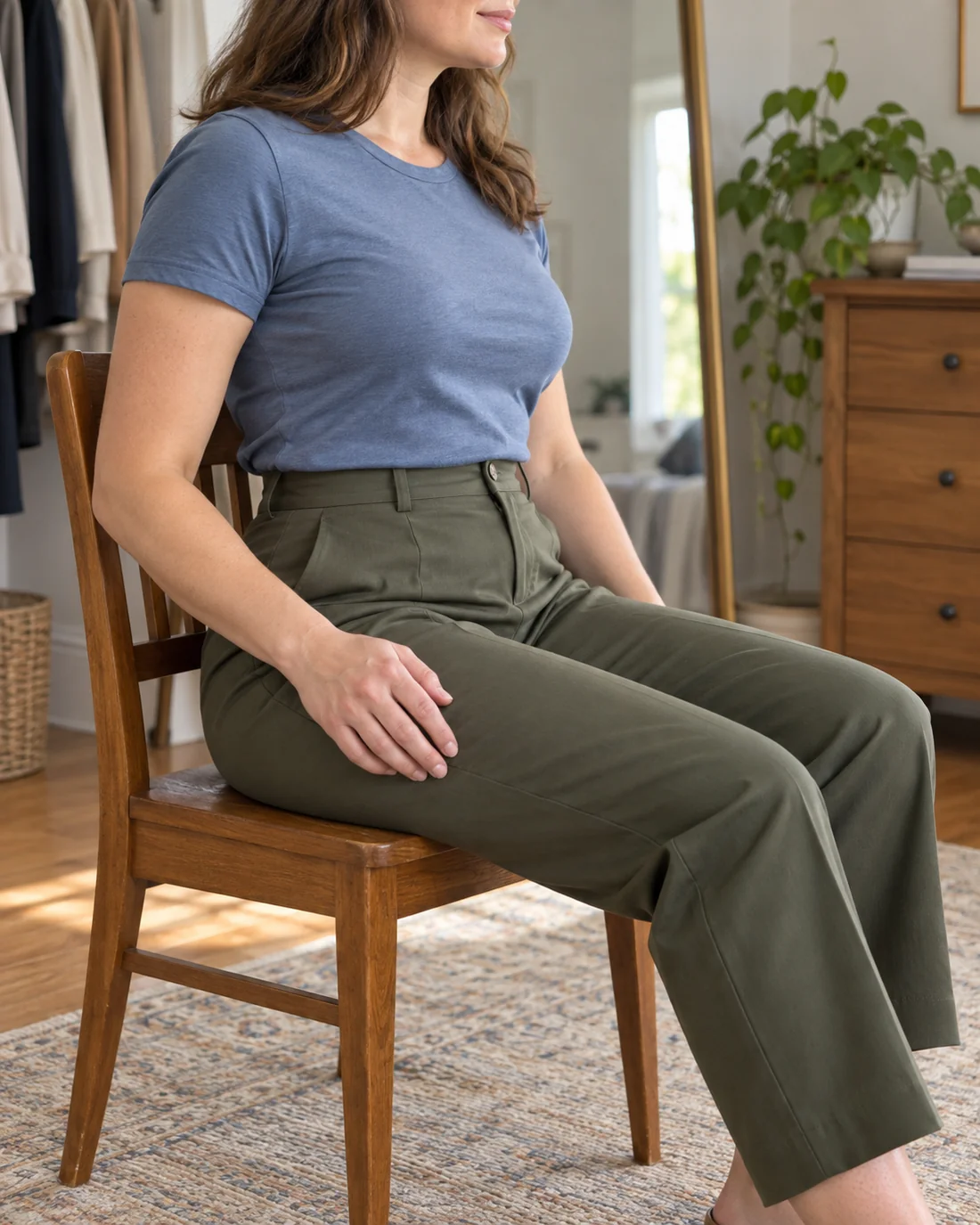
Try the delivered item with the intended layers and normal movements. Keep the product information available for comparison. If the result differs from your expectation, record the particular issue, such as insufficient seated room or sleeves that are too long.
An updated note about that model is more useful later than a blanket claim that a brand always runs large or small. Use charts to support the decision and actual fit as the final reference. The number on the label identifies a product size; it is not a judgement about your body.